We deliver our products by rail to the buyer’s (consignee’s) destination station in the supplier’s own rolling stock.
Upon prior agreement, the products can be loaded in the buyer’s rolling stock.
wagons engaged to deliver our products by rail
wagons a day. Daily product loading capacity
loading areas
strain-gauge weighbridges
ТЕМ2УМ shunting locomotives
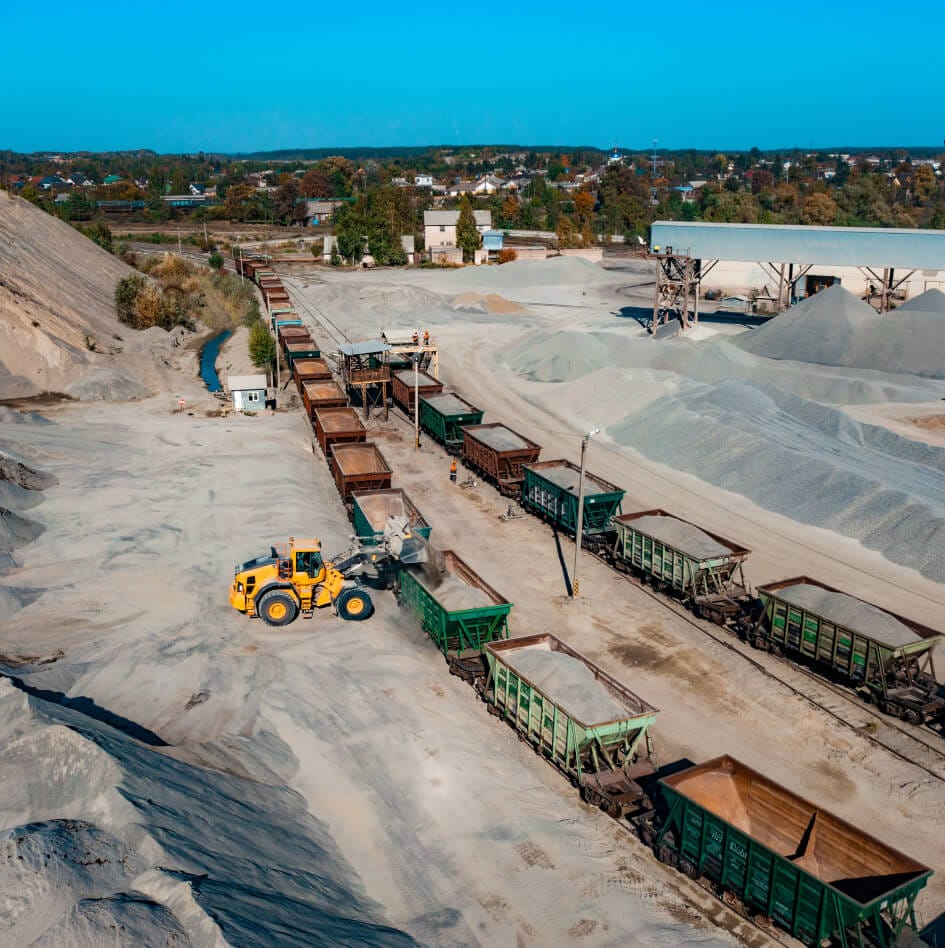

Loading station – Klesiv (355701).
Modern & well-developed railway access track network. Hopper-dosing loading system. Cargo routing capability.
The products are loaded in wagons in bulk, observing cargo & rolling stock safety measures, as well as cargo anti-freeze arrangements.
Our specialists guarantee a quick cost calculation, loading deadlines observation and order delivery monitoring.
Our products are delivered on EXW or DDP terms. Any other terms (tariffs, prices, payment, supply volumes, deadlines, etc.) are to be discussed and agreed with the sales manager of a particular site. The agreed terms are described in the specification to the supply contract.
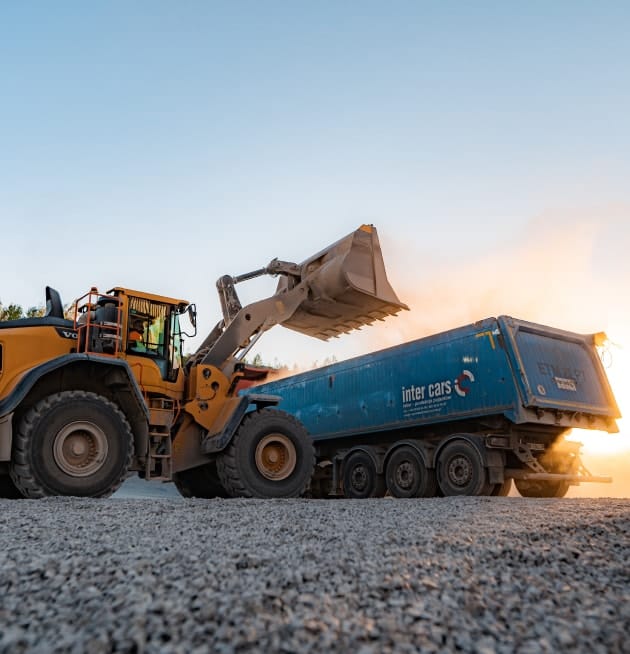
34550, Ukraine, Rivne province, Sarny district, Klesiv village, 13 Promyslova street
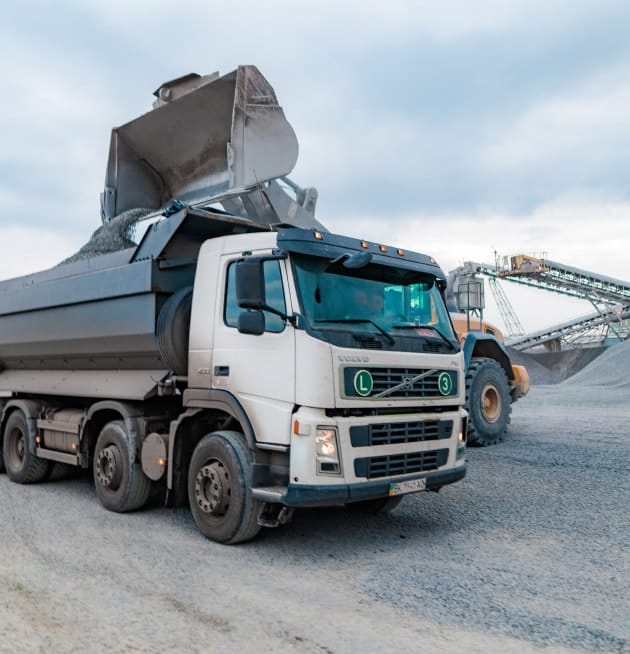
Kyiv province, Fastiv district, Dorohynka rural council, near to Koshchiivka village
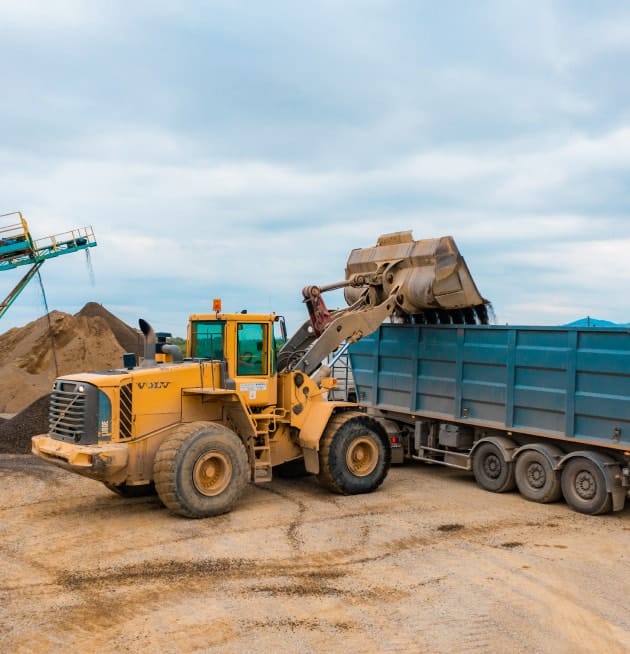
Chernivtsi province, Vyzhnytsa district, Ispas village, Bahna stow

WARNING! A driver entering the company’s site for the first time must undergo a safety induction at the site’s H&S department
for drivers and mobile equipment within the territory of a Technobud Group’s site
1.1. The vehicle entering the site’s territory must be technically sound, equipped with safety devices & tools, a first aid kit and a fire extinguisher. Move within the territory only after beeping. Use low beam headlights while driving on the site’s territory. Turn on the hazard warning lights when backing.
1.2. When driving in, please show your driver’s license to the Security Service employee at the checkpoint. Drop off a passenger (if any) and stay alone in the cabin. If you have no warn vest and safety helmet, obtain them from the security guard at the entrance, put them on and do not take them off while being within the site’s territory. When leaving, take off the vest and helmet and give them to the security guard. Always stay in the driver’s seat with a fastened seat belt.
1.3. Check out the road map and traffic route, points for loading products of different fractions and loading waiting places, a cargo inspection & tenting area. All unclear issues should be resolved at the front security gate or at the weigher’s premises.
1.3. Any garbage, cigarette stubs should be thrown into specially designated barrel-urns located near the entrance point, along the roads, at the loading waiting places. The WC is on the left from the entrance gate.
1.4. Please remember: when blasting is carried out at the site’s quarry, the following signals are given: the first signal means “warning” (a long one), the second signal means “alarm” (two long ones), the third signal means “over” (three short ones). During blasting, strictly follow the “instructions” given by the person guarding the hazardous area.
1.5. Please be careful and consider a heavy traffic on the site’s territory, incl. technological transport, which must be given way first.
1.6. Traffic on the site’s territory is regulated with signs and traffic lights.
A driver entering the site’s territory MUST:
2.1. Follow the traffic rules and these guidelines. Consider all road signs and traffic lights. ATTENTION – TECHNOLOGICAL TRANSPORT MUST BE GIVEN WAY FIRST. Keep at least 5m-distance from other vehicles standing in queue for loading and weighing. Do not approach the loader closer than 10 m while waiting.
2.2. Do not approach rock piles, bulk materials warehouses and dumps closer than 10 m.
2.3. Do not leave the vehicle cabin on the site’s territory: while waiting in the queue for loading, in finished product warehouses and during weighing. Please wait to be loaded in the designated points, marked with appropriate signs.
2.4. You should approach a loading point only after the loader driver beeps “TWO SHORT BEEPS”.
2.5. After placing the vehicle for loading, leave the vehicle cabin with no protective visor. Please observe the safety requirements: turn off the engine, remove the keys from the ignition lock, put the vehicle on the brakes, do not jump from the cabin, hold on, use a three-point rule while descending from the cab. Do not leave the vehicle cabin during the loading under force majeure circumstances.
2.6. Get into a loaded vehicle and leave only after the loader driver beeps appropriately – “ONE LONG BEEP”.
2.7. “ONE SHORT BEEP” or unclear signal is to be interpreted as “STOP!”
2.8. Check the cargo and cover the body with a tent or other covering (tenting) only in a specially designated place located behind the entrance point (entrance road).
2.9. The products unloading point (if needed) must be agreed with the weighbridge employee.
1.1 On the site’s territory there is a rule “One driver, One vehicle, No passengers”, which means that only the driver is allowed to be on the premises. Appropriate areas for parking and rest should be provided for authorized passengers of vehicles.
1.2 All mobile equipment must be technically sound!
1.3 All mobile equipment must be equipped with safety seat belts for the operator and all passengers.
1.4 Use of mobile phones and two-way communication devices while operating mobile equipment is strictly prohibited.
1.5 Eating and drinking while driving vehicles is strictly prohibited.
1.6 Safe mobile equipment operation requires that:
– The operators rested well, were attentive and were not under drugs or alcohol. A zero-tolerance policy must be in place to avoid alcohol or drug abuse at the workplace.
– Company management must ensure that all equipment operators, employees and contractors are qualified and competent:
1) All equipment operators must have a valid driver’s license / certificate
2) Operators and drivers must get to work well rested. A 12-hour shift with at least a 12-hour gap between shifts is considered the maximum allowed.
5) Employees are only allowed to operate the mobile equipment they are qualified, trained and authorized to operate.
1.7 All mobile equipment must be equipped with backup warning signals. Extra visibility enhancing tools (e.g.: light signals, convex mirrors, radar, etc.) may be installed if it is needed under the conducted risk assessment.
1.8 The trucks with raised bodies, even when unloading sticky material, must stand still.
2.1. A RISK ASSESSMENT must be done before towing any mobile equipment that has broken down or was immobilized due to surface conditions. Risk assessment is performed by the head of the structural unit or his authorized representative.
2.2 If at any stage the risk assessor feels that the towing-associated risk is beyond his competence, he must stop the work and call in an expert and a special repair & recovery vehicle.
2.3 Only certified and periodically tested (non-steel) ropes / towing slings and fixed drawbars are allowed. The power of such devices must be at least 50% above the maximum weight of the vehicle involved; surface conditions that increase the maximum tension should also be considered.